Trusted Knot Therapy Massage LLC delivering personalized body care solutions
Trusted Knot Therapy Massage LLC delivering personalized body care solutions
Blog Article
Tap Into the Rewards of Healing Massage: Your Route to Relaxation and Wellness
Massage therapy presents a detailed approach to promoting health. It stimulates flow of blood and diminishes stress, fostering both somatic and emotional wellness. Diverse modalities serve individual demands, making it essential to grasp their particular strengths. As folks evaluate incorporating massage into their wellness schedules, questions come up about most suitable choices and anticipated results. What insights can be gained from delving into these facets more thoroughly?
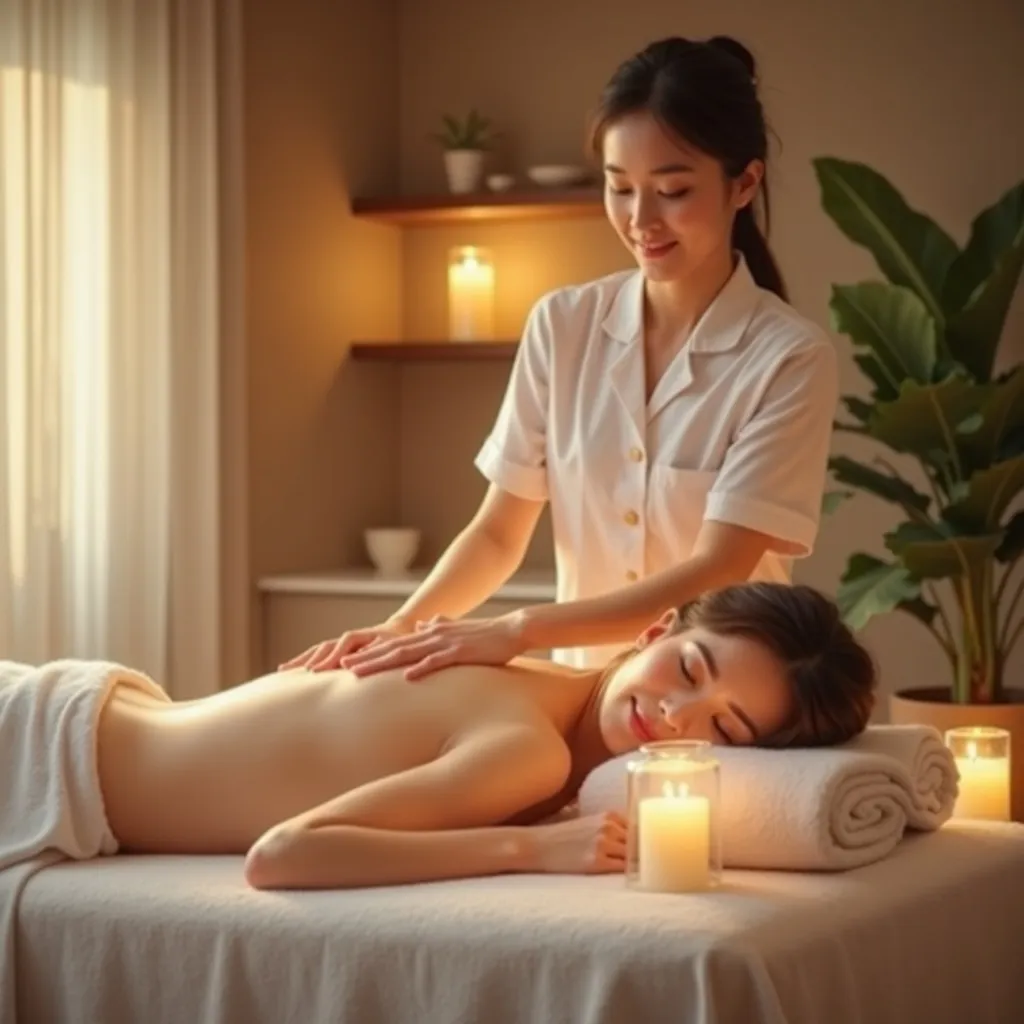
The Scientific Understanding of Massage Therapy Advantages
What renders therapeutic massage so effective in promoting health? The science behind this technique lies on its power to shape the body's psychological and physiological states. Therapeutic massage stimulates circulation, enhancing the delivery of vital nutrients and oxygen to tissues while aiding the discharge of waste products. This improved blood flow can lead to quicker healing from injuries and minimized muscular tension. In addition, the hands-on contact involved in massage stimulates the emission of endorphins, the body's natural painkillers, fostering a state of comfort and tranquility.
Additionally, clinical research reveal that massage therapy can change the autonomic nervous system, shifting it from a state of stress to one of serenity. This harmony helps regulate heart rate and blood pressure, advancing overall health. By confronting both physical and emotional aspects, massage therapy provides a holistic approach to improving well-being, making it a crucial ally in health management.
The Way Massage Treatment Lowers Pressure and Anxiety
Massage therapy is recognized for promoting an heightened state of relaxation, which can noticeably reduce stress and anxiety. Research indicates that it effectively lowers cortisol levels, contributing to a more peaceful mental state. Additionally, the practice fosters improved mood regulation, further supporting emotional well-being.
Optimized Tranquil Response
The calming touch of expert hands can induce a deep relaxation response, successfully reducing stress and anxiety. Massage therapy enables the release of tension in the muscles, encouraging an overall sense of calm. This bodily release helps individuals to feel more grounded, allowing their minds to enter a tranquil state. Clients often share experiencing a notable reduction in fast thoughts and mental clutter both during and after a session. Furthermore, the repetitive rhythm of massage can evoke a meditative state, enhancing emotional well-being. When the body relaxes, the heart rate commonly slows, and breathing deepens and evens out. This thorough relaxation response not only fosters immediate relief but also contributes to long-term improvements in stress management and overall mental health.
Lowered Cortisol Amounts
While many pursue rest through various methods, studies shows that therapeutic massage significantly lowers cortisol levels, a main stress hormone. High cortisol is often associated with chronic stress, which can lead to multiple health problems, including anxiety and depression. Research show that consistent therapeutic massage can substantially reduce these cortisol levels, promoting a state of calm and well-being. This reduction not only alleviates immediate stress responses but also contributes to long-term health benefits. By lowering cortisol, therapeutic massage can help people handle their stress more successfully, improving their overall quality of life. In addition, lower cortisol levels may improve sleep and boost immune function, creating a holistic approach to wellness and relaxation.
Better Mood Control
Although many elements influence emotional well-being, research indicates that massage therapy is vital for improving mood regulation by reducing stress and anxiety. The physiological effects of massage, such as better circulation and muscle relaxation, aid in creating a sense of calm. Studies have shown that regular sessions produce lower levels of cortisol, the stress hormone, while elevating serotonin and dopamine, neurotransmitters associated with happiness and relaxation. Clients often report fewer symptoms of anxiety and depression after treatment, which boosts overall emotional resilience. By addressing both physical and emotional tension, massage therapy offers a valuable tool for individuals aiming to improve their mental health and achieve a balanced mood.
Understanding Massage Therapy Practices and Their Benefits
Massage therapy includes a variety of techniques, each designed to address particular bodily and psychological requirements. An overview of these techniques reveals substantial health advantages, extending from enhanced relaxation to better circulation. Learning about the various techniques can assist people select the most effective method for their wellness path.
Varieties Of Massage Methods
The multifaceted world of therapeutic massage encompasses a variety of techniques, each customized to fulfill specific requirements and desires. Swedish massage remains one of the most popular styles, emphasizing on extended, flowing movements to foster relaxation. Deep tissue massage delves deeper into tissue layers to diminish chronic tightness. Sports massage serves athletes, enhancing capability and aiding recuperation through targeted approaches. Shiatsu, a Japanese method, applies finger pressure on key points to harmonize energy flow. Meanwhile, aromatherapy massage combines essential oils with soft techniques to boost relaxation and emotional well-being. Finally, prenatal massage is designed for expectant mothers, providing comfort and relief from pregnancy-related discomfort. Each approach delivers distinct experiences and can serve to personal wellness goals.
Health Benefits Summary
Exploring the many health benefits of massage therapy shows its powerful impact on physical and mental well-being. Research indicates that massage can reduce pain, reduce muscle tension, try this and enhance circulation, promoting faster recovery from injuries. It also increases flexibility and range of motion, vital for supporting an active lifestyle. From a psychological perspective, massage therapy helps to reduce stress and anxiety, supporting enhanced mood and mental clarity. It also supports better sleep quality, enabling restorative rest. Frequent sessions can help foster a more balanced mind and body, underscoring the importance of integrating massage therapy into overall wellness practices. Therefore, the benefits of massage therapy extend well beyond simple relaxation.
Guide to Choosing the Ideal Massage Type for Your Objectives
How can someone determine the most fitting massage type to align with personal wellness goals? First, it is important to pinpoint specific needs, such as relaxation, pain relief, or improved mobility. For stress reduction, Swedish massage may be ideal, emphasizing gentle techniques that promote relaxation. Conversely, for muscle tension or chronic pain, deep tissue massage targets deeper layers of muscle and connective tissue.
People seeking superior athletic performance might reap rewards from sports massage, which aims at enhancing flexibility and reducing the risk of injury. Moreover, those interested in wellness-based approaches could explore aromatherapy massages, blending essential oils for better relaxation and mood improvement.
Talking to a licensed massage therapist can provide useful knowledge into which procedures work optimally for personal objectives. By getting to know the multiple varieties of therapeutic treatment and their benefits, clients can make informed choices that effectively align with their wellness goals.
Incorporate Massage Therapy Into Your Wellness Routine
Adding therapeutic massage to your health regimen can significantly improve overall health. Consistent treatments can reduce anxiety, decrease muscular tightness, and enhance blood flow, supporting a more balanced lifestyle. By dedicating moments for massage, individuals create a dedicated space for rest and personal wellness, which can be particularly beneficial in our hectic modern society.
Developing a consistent routine, whether weekly or twice monthly, permits the body to reap progressive benefits. This method not only helps maintain corporeal health but also fosters mental clarity and affective stability. Additionally, blending various types of therapeutic touch—such as Swedish, deep tissue, or aromatherapy—can respond to distinct preferences and desires, boosting the general experience.
Ultimately, making massage therapy a regular component of a health regimen allows individuals to emphasize their health, producing enhanced quality of life and a greater understanding of their physical requirements.
Knowing What Happens in Your First Massage Appointment
After establishing massage therapy as a key element of a wellness routine, individuals could wonder what their first session will consist of. Typically, the experience starts with a short consultation where the therapist assesses the client's medical history, preferences, and specific areas of concern. This conversation guarantees a personalized approach suited to individual needs.
Once at ease, clients are guided to a private room and asked to undress to their comfort level, often under a sheet or towel for discretion. The practitioner will present approaches, explaining the procedure and addressing any questions. Initial strokes may feel unfamiliar, but the practitioner will adjust force according to feedback.
During the treatment, comfort is prioritized, and clients are urged to communicate any discomfort. Upon finishing the massage, clients commonly receive post-care guidance, including water intake guidance and suggested stretches. All in all, the initial session builds the foundation for a healing-focused partnership centered around wellness.
Common Asked Questions
How Frequently Should I Get a Massage for Optimal Benefits?
For maximum benefits, people should think about getting a therapeutic massage every four to six weeks. However, frequency may differ based on personal needs, tension and anxiety, and particular medical concerns needing customized care for optimal outcomes.
Can Massage Therapy Provide Relief For Specific Medical Conditions?
Massage therapy may help with treating specific health problems, such as chronic pain, anxiety, and muscle tension. Its therapeutic qualities could support conventional therapies, encouraging overall wellness and boosting recovery for multiple health concerns.
What Attire Should I Select Throughout a Massage Appointment?
During a massage treatment, clients typically wear relaxed, easy-fitting attire or may opt to undress to their level of comfort. Massage therapists offer protective coverings for privacy, ensuring relaxation while maintaining professional conduct throughout the experience.
What Negative Effects Can Massage Treatment Cause?
Massage therapy can create minor unwanted effects, like fleeting soreness, bruising, or lethargy. Individuals with certain medical conditions may experience more significant reactions, thus checking in with a healthcare professional previously is advisable for custom direction.
How Do I Find a Certified Massage Therapist?
To identify a qualified massage therapist, clients should request recommendations from trustworthy contacts, verify credentials, review online feedback, and confirm licenses. Meeting prior to scheduling can also help evaluate compatibility and expertise.
Report this page